







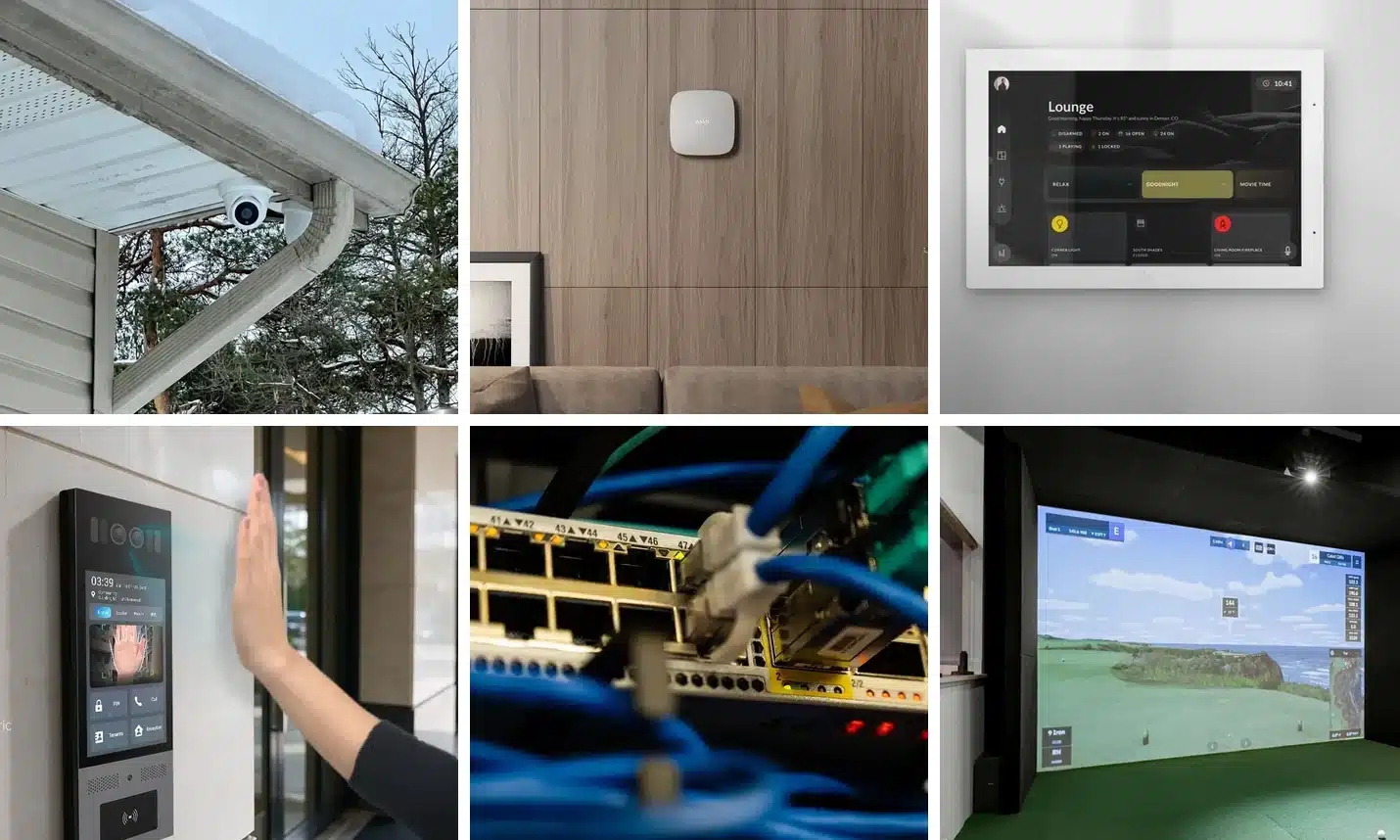

When people look up home camera systems, they often want a brand name or a ranked list. In our experience installing cameras across Wellington County, Waterloo Region and Hamilton, the brand matters less than three things: what each camera can actually see, how reliably it records, and how well it is built and supported. Get those right, and a professionally installed home camera system will serve you well for years. This guide explains how to choose one, without a made-up top-three list of models.
Why Every Home Should Have Cameras
A well-placed camera system does three jobs. It discourages someone from trying your door in the first place. It lets you check on your home from your phone, whether you’re at work, at the cottage or on vacation. And if something does happen, it gives you clear footage to share with police and your insurer.
The Problem With Consumer-Grade Cameras
Many people start with a camera from a big-box store or an online retailer. These are designed for quick DIY setup, which usually means Wi-Fi connections, plastic housings and limited support. They can be fine for watching a pet. They’re often not enough when you need a clear image of a face at night or a camera that keeps recording through a Canadian winter. We explain the differences in detail in our guide to consumer vs. professional security cameras.
How to Choose a Home Camera System
Home camera systems come down to three parts: the cameras, the recorder and the app, planned around what you need to see. Before you buy a kit, walk the property – or have an installer walk it with you – and decide that first.
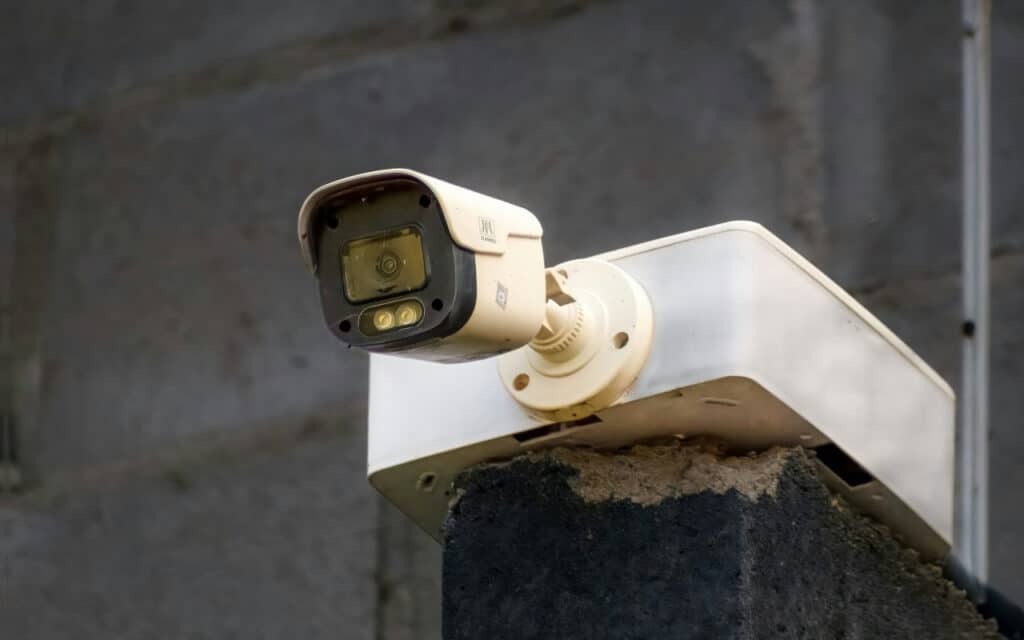
Start with the views. A front door usually needs a clear face, not just a wide shot of the porch. A driveway needs to cover the approach and the parked cars. A backyard or side gate is often about movement after dark. Once you know those views, the lens, height and angle are easier to get right – in other words, each camera’s field of view – and you avoid buying more cameras than the property needs.
Decide how the cameras will connect and where footage will live. Wired cameras that use Power over Ethernet get power and data through one cable, so they do not drop off Wi-Fi or run out of battery. Footage is typically stored on a network video recorder (NVR) at the house, so you can store footage locally and still check a live feed or recorded video from your phone. Cloud storage is an option. Wi-Fi cameras are faster to put up, and they can be fine for a temporary view, but they are easier to knock offline and often harder to rely on as a full home camera system.
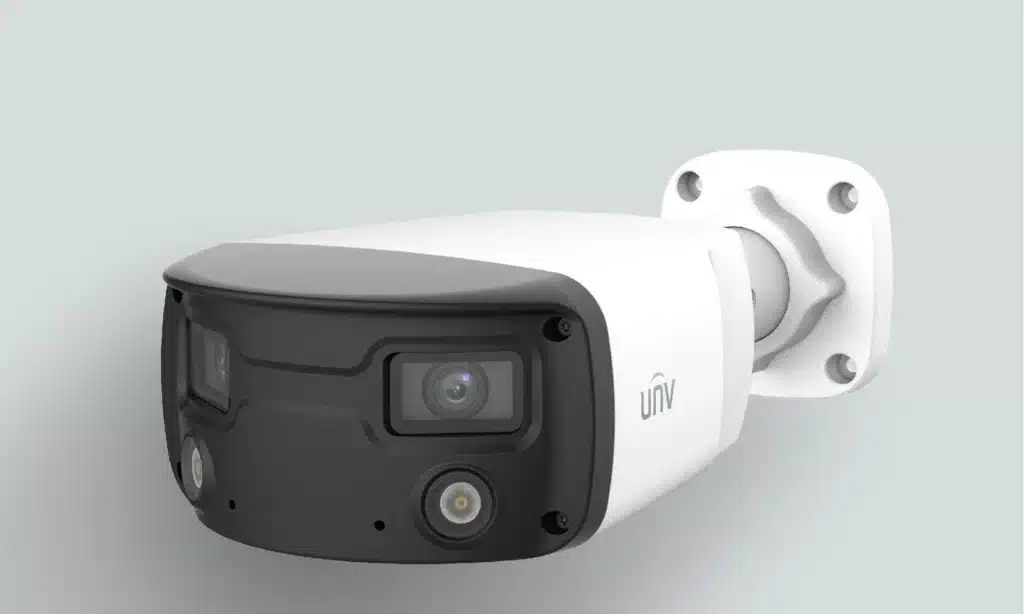
Think about weather and support, not just the resolution on the box. Outdoor cameras in Ontario have to handle snow, ice, rain and summer heat, and someone should still be available to service the system after it is installed. We install Uniview cameras and recorders for homes, and we walk the property first as part of a free on-site assessment. For a fuller comparison of DIY and professional equipment, see our guide to consumer vs. professional security cameras. To talk through a system for your house, see security camera installation.
The Top 3 Things the Best Home Security System Cameras Have in Common
1. Image Quality Where It Counts
Resolution is only part of it. The best cameras combine high resolution with good low-light performance and a lens chosen for the distance it needs to cover. Placement matters just as much. A camera aimed at your front door from the right height and angle will capture a usable face; the same camera mounted too high will only show the top of a hat. Before we install anything, we walk the property and agree on what each camera needs to show: a face at the door, the driveway, or a general overview of the yard. Smart detection matters as well. Uniview cameras can limit alerts to people and vehicles, which cuts down on false alerts from things like swaying branches.
2. Reliable Connection and Recording
A camera is only useful if it’s recording when something happens. Wired cameras using Power over Ethernet (PoE) get power and data through one cable, so they don’t drop off Wi-Fi or run out of battery. Footage is stored on a network video recorder (NVR) at your home, with cloud storage options available, and you can view live or recorded video from an app on your phone. If you are planning on-site recording, our camera storage calculator can estimate the hard drive size, and this guide to camera storage explains how recording time and camera count affect it. Wired cameras also reduce the risk of someone accessing your cameras remotely, a topic we cover in how to tell if your home security camera has been hacked.
3. Professional-Grade Build and Support
Outdoor cameras in Ontario deal with snow, ice, rain and summer heat. Professional-grade cameras use weatherproof, often vandal-resistant housings and are designed to run around the clock. They’re sold through professional dealers rather than retail stores, which means proper installation, warranty coverage and someone to call if you have a question. At JR Security Solutions, every installation comes with a 1-year workmanship warranty from us, plus manufacturer warranties that range from 1 year to lifetime, depending on the product. It’s also backed by our 100% satisfaction guarantee.
Common Questions About Home Camera Systems
Do home camera systems have monthly fees?
They don’t have to. A wired system that records to a recorder in your home keeps footage on site, and you can watch the live feed or recordings in the phone app. Cloud storage is optional, and 24/7 monitoring is a separate service if you pair cameras with a monitored alarm. Any ongoing cost is listed in your written estimate before work begins.
Are Wi-Fi cameras good enough for a home?
For a temporary view, they can be. For a full home camera system, wired Power over Ethernet cameras are more dependable because they don’t rely on a Wi-Fi signal or a battery.
Should I add a video doorbell?
If your main question is who is at the door, a video doorbell or a video intercom lets you see and talk to visitors from your phone. For a gate, a shared entrance or a larger home, see our video intercom installation page.
Brands We Install
JR Security Solutions is an authorized Uniview (UNV) dealer. Uniview is a professional-grade camera line sold through trained dealers and installers, and our team is certified and trained on it. Every Uniview camera we install is an NDAA-compliant model; our guide to consumer vs. professional security cameras explains what that means. During your on-site assessment, we’ll recommend the models and placement that suit your property.
Find the Right Home Camera System With JR Security Solutions
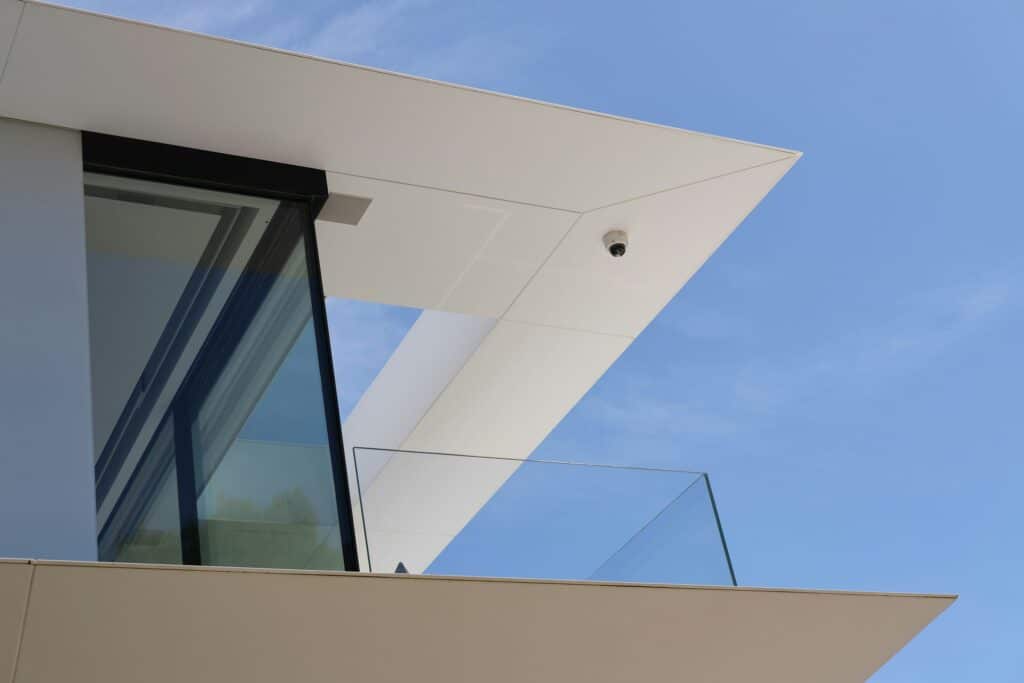
Choosing a home camera system is easier when someone looks at your actual property. Our team is based in Fergus, and we install security cameras for homes and businesses across Wellington County, Waterloo Region, Hamilton and surrounding communities, including Guelph, Kitchener, Waterloo and Cambridge. We’ll recommend the number and placement of cameras, install and test everything, and show you how to use the app before we leave.
Request a free on-site assessment or call (226) 400-2052. We’re open daily 9am–9pm.